
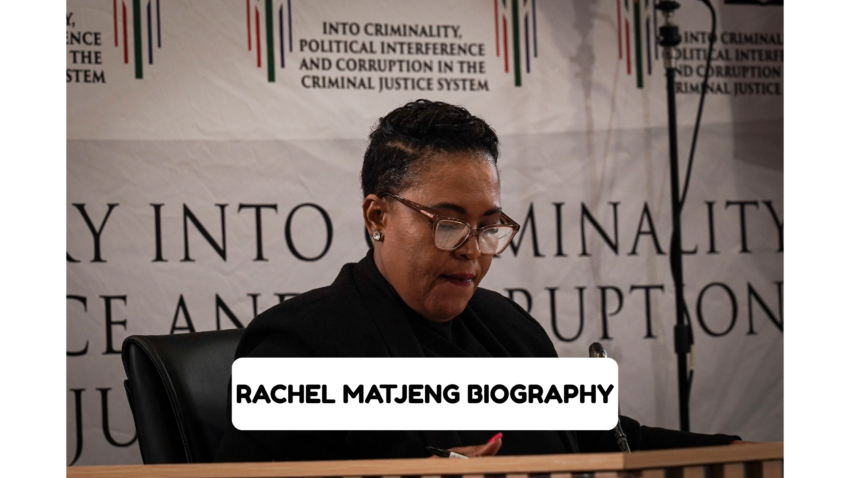
Brigadier Rachel Matjeng rose to senior management inside forensic services at the South African Police Service (SAPS). Her work — on criminal record management, crime-scene processes and quality oversight — is technically specialized but institutionally important: forensic standards underpin investigations and prosecutions. In 2024–2026 she became a public figure not for a policing reform but because of her testimony before a high-profile inquiry and reported links to a company awarded a large contract. The combination of senior operational responsibility and potential conflicts of interest turned routine personnel details into national headlines.
Early life & career beginnings
Public, verifiable details about Rachel Matjeng’s childhood and private family background are limited in mainstream reporting; most publicly available information focuses on her professional career. What is clear from professional profiles and reporting is that Matjeng is a career police officer who progressed through operational ranks into specialized forensic services roles. Her LinkedIn presence and multiple profile pages identify her as holding senior positions within SAPS forensic quality management before becoming widely reported in the national media.
Rise through SAPS forensic services — role and responsibilities
Matjeng held (and has been described as holding) the rank of Brigadier in SAPS and served as a head/section lead for Quality Management within Forensic Services. That role typically includes responsibilities such as:
- Setting and enforcing standards for crime scene evidence handling.
- Overseeing criminal record accuracy and chain-of-custody procedures.
- Managing audits and quality assurance protocols across forensic facilities.
Forensic quality management is partly administrative and partly technical: it requires understanding of both laboratory and field forensic workflows, and it shapes how police translate physical evidence into courtroom-ready packages. Her career path indicates long service and specialization in these areas.
The Madlanga Commission and why Matjeng’s testimony brought national attention
In 2024–2026 Brigadier Matjeng came under public scrutiny after testifying at the Madlanga Commission of Inquiry (a national-level inquiry examining procurement and governance issues within state structures and related matters). During proceedings and in media reporting, the following key points emerged:
- Matjeng disclosed a personal relationship with businessman Vusimuzi “Cat” Matlala (often reported as “Cat” Matlala), a figure at the center of reporting about large medical service contracts.
- Media investigations and inquiry questioning examined whether payments, business linkages, or personal relationships created conflicts of interest around a large SAPS-related contract reportedly worth hundreds of millions of rand.
- The Commission probed whether standard procurement safeguards were followed and whether Matjeng’s professional responsibilities intersected uncomfortably with commercial arrangements benefiting Matlala-linked entities.
These revelations elevated Matjeng’s profile because they tied a senior forensic manager’s personal disclosures to a high-value procurement controversy — a sensitive area for public trust in policing institutions.
Reported allegations, findings under review, and Matjeng’s responses
Multiple news outlets reported allegations suggesting potential conflict-of-interest problems related to a large contract awarded to companies connected to Matlala. Reporting names an approximate contract value and notes that investigators and inquiry members were examining transaction trails, account payments, and communications. Matjeng has publicly testified at the commission and answered questions about the nature and timing of her relationship with Matlala; reporting shows the Commission sought clarity on whether official processes were influenced or bypassed.
It’s important to be precise: as of the latest reporting, matters were under inquiry and reporting varied on specific legal or disciplinary outcomes. Some outlets emphasized Matjeng’s cooperation with the Commission; others focused on the potential institutional implications for SAPS procurement integrity. Readers should treat allegations and official findings separately — allegations reported in the press do not equal final legal conclusions.
Public reaction and institutional stakes
Why does this matter beyond one individual? Forensic services and procurement in policing are areas where public confidence is crucial:
- Forensic credibility affects convictions and acquittals. Any appearance of compromised oversight raises questions about evidence integrity.
- Procurement transparency in policing is directly linked to trust in policing institutions and public funds stewardship. Large contracts attract scrutiny, and any hint of undue influence can harm institutional legitimacy.
Public commentary and editorial reporting have emphasized the broader governance risk: senior officials in positions of oversight must maintain not only actual impartiality but also the appearance of impartiality. The Matjeng–Matlala reporting became a focal point for debates about procurement reform and policing ethics.
Matjeng’s career highlights & professional strengths
Based on available profiles and reporting, Matjeng’s strengths and career highlights include:
- Long service in SAPS with technical specialization in forensic services and quality management.
- Experience managing compliance and standards that directly affect investigative outcomes.
- Recognition within policing circles as a senior officer entrusted with systemic responsibilities (rank of Brigadier).
These professional elements explain why her testimony and public scrutiny carried weight: she was not a peripheral officer but a senior manager whose domain affects core police functions.
FAQs
Q1: Who is Rachel Matjeng?
A: She is a Brigadier in the South African Police Service who served as a head in Quality Management for Forensic Services; she became widely reported after testifying at the Madlanga Commission.
Q2: What is she accused of?
A: Reporting centers on alleged conflicts of interest tied to a contract that involved businesses linked to Vusimuzi “Cat” Matlala; these are under investigation at a public inquiry. Allegations were under review and not final legal determinations at last reporting.
Q3: Does Matjeng still work for SAPS?
A: Public profiles list her within SAPS roles; however, personnel status can change pending inquiries or disciplinary outcomes — check current SAPS statements or follow-up reporting for updates.
Q4: Why is forensic quality management important?
A: Because it ensures evidence is collected, stored, and processed correctly. Errors or compromised procedures can jeopardize legal cases. Matjeng’s role focused on those standards.
Q5: Where can I read original reporting?
A: Major South African outlets (investigations and national news) have covered the matter — for example IOL and News24 investigative pieces provide detailed reporting and are cited below.